
Atomic EV stocks the latest electric unicycle range from Inmotion and KingSong, the world’s largest two manufacturers of quality EUCs. Our collection includes fun small and nimble wheels suitable for beginners, through to the world’s fastest and best trail electric unicycles. Atomic EV is an authorised New Zealand retailer and service centre for both Inmotion and KingSong, so you know we’re here to help if there are any issues.
We are also the authorised distributor for Grizzla EUC accessories in New Zealand, including their popular power pads.
Electric unicycles are great for recreation and last mile transport, commuting, and for sports including off-road trail riding, track racing, and roda polo. Check our events page for upcoming EUC events.
October 2026 Stock Updates
Our Inmotion Spring EUC order including most models is due to arrive toward the end of October. We now have only two P6, one V9, and no more V14 Pro left available in this shipment. This is the last chance to get some of these models until next year.
Our KingSong EUC order is currently being finalised with delivery anticipated in the second half of November, including the F18 and the new F16.
Our EUC Range
-
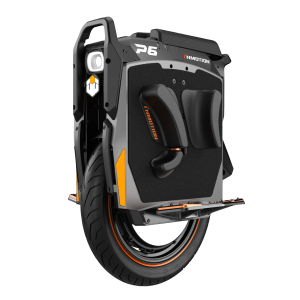 Inmotion P6$8,599.00
 -
Product on sale
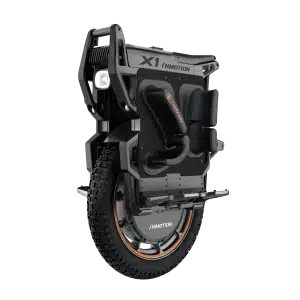 Inmotion X1Original price was: $6,999.00.$6,449.00Current price is: $6,449.00.
 -
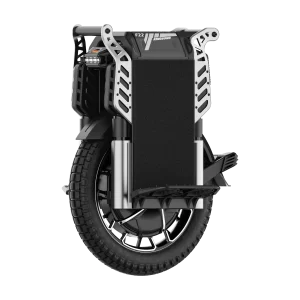 KingSong F22 Pro$6,099.00
 -
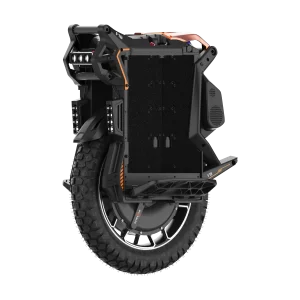 KingSong F18$5,999.00
 -
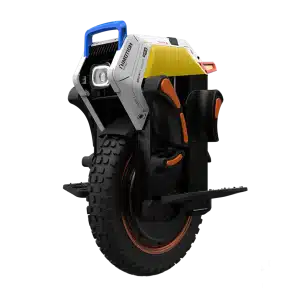 Inmotion V14 Pro Adventure$5,149.00
 -
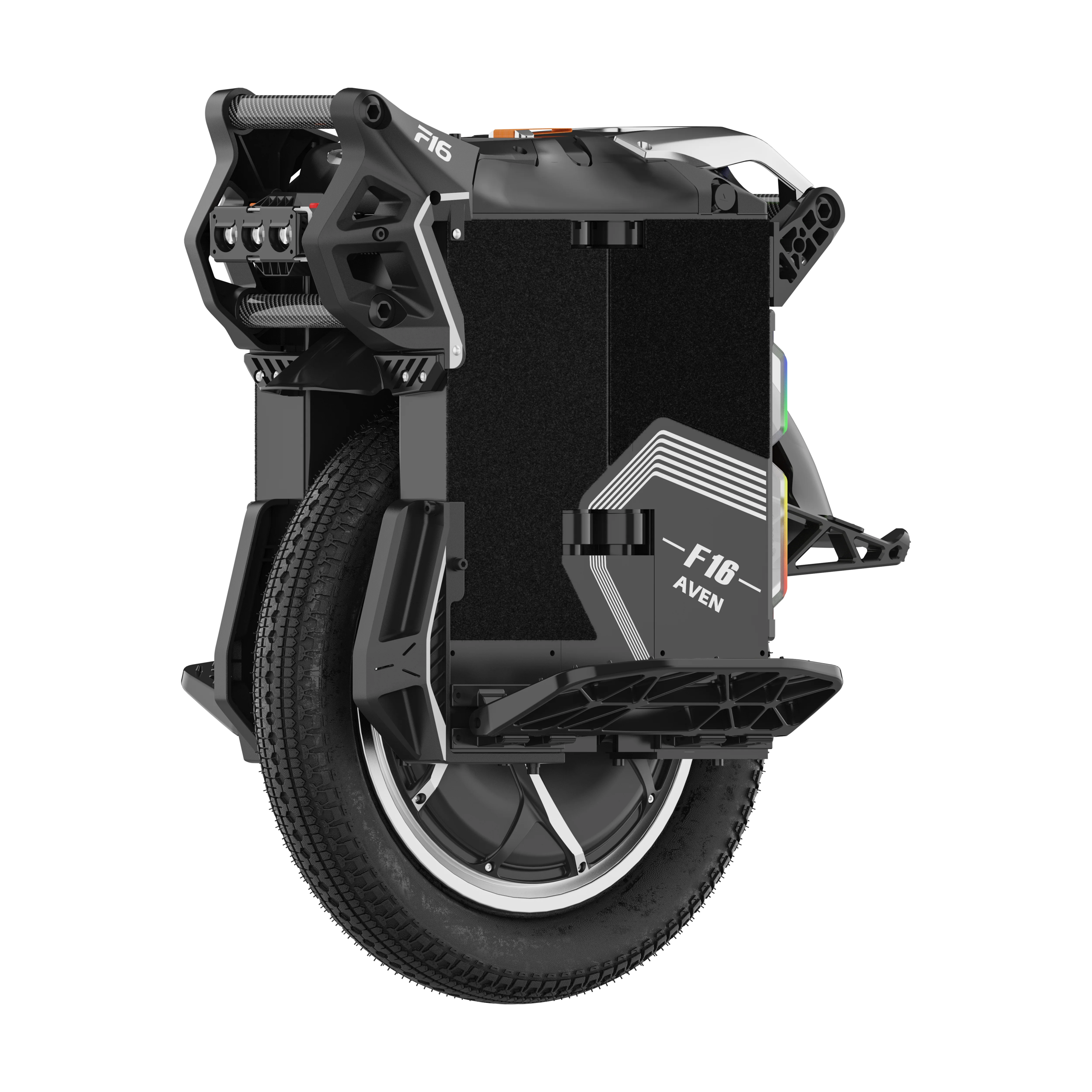 KingSong F16$4,999.00
 -
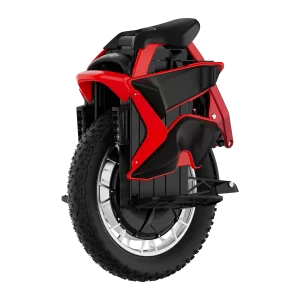 KingSong S22 Pro+$4,799.00
 -
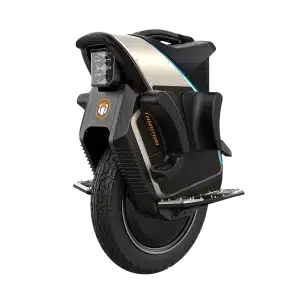 Inmotion V12S$4,199.00
 -
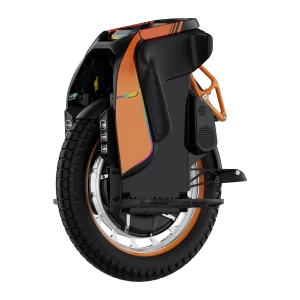 KingSong S19 Pro$4,199.00
 -
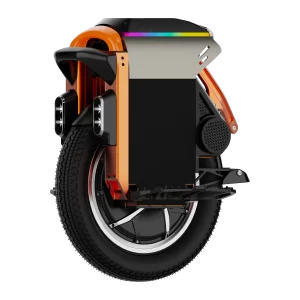 KingSong S16 Pro$3,799.00
 -
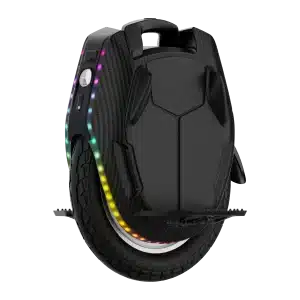 KingSong 16X Pro$2,999.00
 -
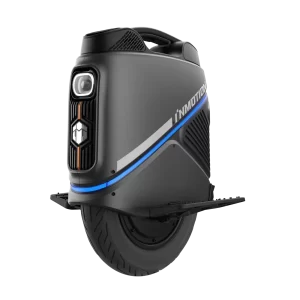 Inmotion V9$2,249.00
 -
Product on sale
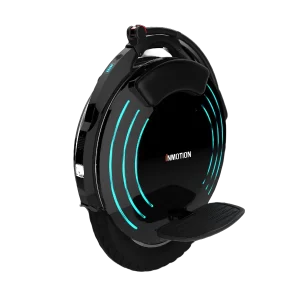 Inmotion V10FOriginal price was: $2,499.00.$2,249.00Current price is: $2,249.00.
 -
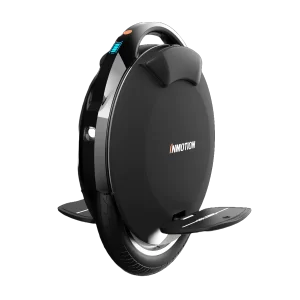 Inmotion V8S$1,799.00
 -
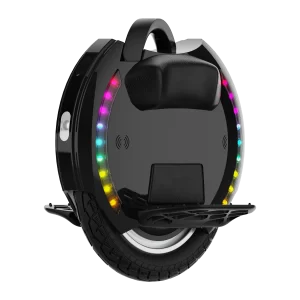 KingSong 14D Pro$1,399.00
 -
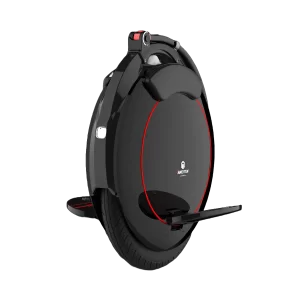 Inmotion V5F$1,199.00
 -
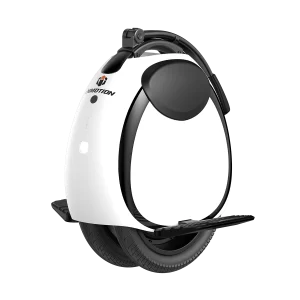 Inmotion E20$699.00
 -
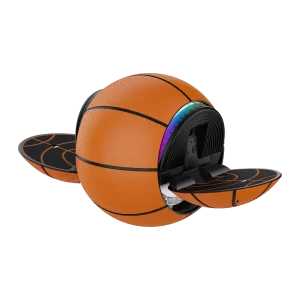 KingSong S9 Basketball$649.00
Shop Electric Unicycles and Components by Brand



Comparing Popular Electric Unicycles
| Model | Range | Top Speed | Tyre Size | Charge Time (fast charger) | Weight | Motor (peak) | Battery | Regular Price |
|---|---|---|---|---|---|---|---|---|
| Inmotion E20 | 30 km | 20 km/h | 14 inches dual | 210 minutes | 13.5 kg | 450 ( 900) Watt | 240 Wh | $ 699 |
| Inmotion V5F | 35- 40 km | 25 km/h | 14 inches | 210 minutes | 11.9 kg | 550 ( 875) Watt | 320 Wh | $1199 |
| Inmotion V8S | 75 km | 35 km/h | 16 inches | 300 minutes | 15.8 kg | 1000 (2000) Watt | 728 Wh | $1799 |
| Inmotion V9 | 60 km | 45 km/h | 16 inches | 300 (150) minutes | 23.0 kg | 1000 (2000) Watt | 750 Wh | $2249 |
| Inmotion V10F | 90-100 km | 40 km/h | 16 inches | 320 minutes | 20.6 kg | 2000 Watt | 960 Wh | $2499 |
| Inmotion V11 | 100-120 km | 55 km/h | 18 inches | 480 (240) minutes | 27 kg | 2200 (4400) Watt | 1500 Wh | $3399 |
| Inmotion V12S | 80-120 km | 70 km/h | 16 inches | 420 (120) minutes | 35 kg | 2500 (6000) Watt | 1440 Wh | $4199 |
| Inmotion V14 Adventure Pro | 120 km | 80 km/h | 16 inches | 240 (60 to 80%) minutes | 39 kg | 4000 (9000) Watt | 2400 Wh | $5149 |
| Inmotion X1 | 70 km | 120 km/h | 20 inches | 60 (30 to 90%) minutes | 41 kg | 6000 (20000) Watt | 2016 Wh | $6999 |
| Inmotion P6 | 150 km | 150 km/h | 20 inches | 240 (90) minutes | 51 kg | 6000 (20000) Watt | 4200 Wh | $8599 |
| KingSong S9 Basketball | 12 km | 15 km/h | 10 inches | 150 minutes | 7.6 kg | 350 Watt | 115 Wh | $ 649 |
| KingSong 14D Pro | 40 km | 30 km/h | 14 inches | 240 minutes | 14.5 kg | 800 (2400) Watt | 420 Wh | $1399 |
| KingSong 16X Pro | 160 km | 60 km/h | 16 inches | 840 minutes | 24.3 kg | 2200 (4600) Watt | 1554 Wh | $2999 |
| KingSong S16 Pro | 100 km | 60 km/h | 16 inches | 270 minutes | 31.8 kg | 3000 (6000) Watt | 1480 Wh | $3799 |
| KingSong S19 Pro | 150 km | 60 km/h | 18 inches | 270 minutes | 33 kg | 3500 (6500) Watt | 1776 Wh | $4199 |
| KingSong S22 Pro+ | 150 km | 70 km/h | 20 inches | 270 (135) minutes | 35 kg | 4000 (8500) Watt | 2220 Wh | $4799 |
| KingSong F16 | 110 km | 80 km/h | 16 inches | 270 (135) minutes | 37.7 kg | 3500 (10000) Watt | 2220 Wh | $4999 |
| KingSong F18 | 150 km | 108 km/h | 20 inches | 150 (90) minutes | 43 kg | 5000 (13000) Watt | 2664 Wh | $5999 |
| KingSong F22 Pro | 161 km | 116 km/h | 20 inches | 150 (90) minutes | 48 kg | 5500 (12000) Watt | 3108 Wh | $6099 |





Protective Gear
EUC have very powerful motors and some models achieve speeds in excess of 100 km/h, so personal protective gear should always be worn while riding. At a minimum a helmet and wrist protection is essential at all times, and preferably full-face helmet should be used.
At intermediate speeds or while learning knee and elbow pads are also recommended, and at higher speeds full professionally-certified protective gear is required.
Learning to Ride an Electric Unicycle
Many EUC models are all-terrain, perfect for commuting and trips around town, but then great for exploring trails or racing on the weekend. With the large wheel and excellent control they are also much safer to ride once mastered than many other PEV.
Being unlike any other riding sport, EUC typically have a longer learning curve. The basics of starting and stopping can be learnt within a few hours but it can take around 150 km riding experience before the EUC feels natural and around 500 km before it fees like an extension of your body. The time invested in learning will be well rewarded through a lifetime of enjoyment and convenience.
To help with the learning curve Atomic EV offers free demos in our showroom on a range of EUCs, where you can test ride a range of our beginner EUCs in a safe environment regardless of the weather. We have also written how to learn to ride an EUC.
Frequently Asked Questions About Electric Unicycles
What is an electric unicycle (EUC)?
An electric unicycle (EUC) is a self-balancing personal electric vehicle with one wheel. It is controlled by leaning forwards and backwards, while the onboard sensors and control system keep the wheel balanced.
EUCs are the most revolutionary form of personal electric vehicle. With the most powerful motors and best acceleration, the most energy efficient form of transportation, and top speeds competing with motorcycles they have no resemblance to a traditional pedal unicycle.
Electric unicycles are great for recreation and last mile transport, commuting, and for sports including off-road trail riding, track racing, and roda polo.
How does an EUC work?
An EUC uses gyroscopes, accelerometers, a motor, battery and electronic control system to maintain balance and provide propulsion. The rider controls speed by leaning forwards or backwards, and steers by tilting the EUC to one side.
We have an article describing in detail how does an electric unicycle work.
Are EUCs difficult to ride?
EUCs have a longer learning curve than for most other PEVs, much more than for electric scooters and more than electric skateboards, but the rewards once EUC riding is achieved makes it so worthwhile. The learning curve would be most similar to learning how to ski, seemingly slow progress initially, then more rapidly and tapering off over a longer time to fully master riding.
Beginners commonly spend their first few sessions learning to mount, balance, accelerate, brake and turn before riding confidently. Mostly the initial time on an EUC is for the brain to itself subconsciously figure out the required muscle coordination. We have an article explaining the basics how to learn to ride an electric unicycle.
Like with learning to ski or ride a bike, once everything clicks in place riding feels very natural and intuitive.
Are EUCs safe?
EUCs can be ridden safely when used responsibly, but they are capable of significant speeds and falls at speed can result in serious injury. Like with skiing while learning mistakes are common, but usually just require stepping or jumping off the EUC, typically resulting in a few scratches on the EUC and a dented ego.
Their large wide tyre and powerful motors give EUCs a lot more traction, braking, and ability to handle obstacles than other PEV such as electric scooters and electric skateboards. Their rate of serious injury is actually quite low, around 30% that of electric bikes per kilometre travelled. Contrary to intuition more powerful EUC are actually safer as they offer a lot more reserve torque to avoid cutouts due to overpowering the motor, and all modern EUCs have configurable alarms and sophisticated system monitoring.
Like with any personal electric vehicle it is important to wear appropriate protective equipment, learn in a controlled environment and ride within one’s ability. At a minimum a helmet and wrist protection is essential at all times, and preferably full-face helmet should be used at all but low speed riding to protect the face and chin. At intermediate speeds or while learning knee and elbow pads are also recommended, and at higher speeds full professionally-certified protective gear is required to reduce the risk of abrasion. It is important to ensure the gear is independently certified rather than just look suitable, as some cheap imitation gear actually offers little protection. Read more about CE protective gear standards.
Are EUCs legal in New Zealand?
Any EUC is allowed to be purchased in New Zealand and ridden on private property. As they contain powerful LI batteries they cannot be transported on commercial airline flights, and transportation on cargo flights or via sea requires safety data sheet documentation and packaging certification (making international freight of used EUCs complicated).
We have found the NZ public generally very accepting of EUCs, with them being largely ignored when wheeled by their trolley handle through shopping centres, offices, and public spaces (unlike most electric scooters or e-bikes which are often prohibited and must be left outside). Some ferry operators explicitly state EUCs are allowed aboard and most other forms of public transportation tolerate their presence.
New Zealand’s rules for riding personal electric vehicles in public spaces depend on factors including the vehicle’s specifications, where it is being ridden and whether it falls within the relevant legal classifications. Because regulations can change and the legal status can depend on the particular EUC, riders should check the current requirements from NZTA and local councils before using an EUC on public roads or paths.
Current NZTA regulations date back to 2018 and only allow for PEV with motors up to 300 Watt to be used on public roads, which excludes all EUC and most of the private electric scooters that are commonly seen in public. However, EUCs and other PEVs have been widely tolerated for use in public provided they are ridden responsibly without putting the rider or others at risk or causing annoyance. To date no EUC rider in New Zealand has been fined nor had their PEV confiscated.
NZTA explains this to us as follows: “The original E–Scooters (Declaration Not to be Motor Vehicles) was made in 2018 and was introduced to address a regulatory gap arising from the emergence of low-powered electric scooters. Without a declaration under section 168A of the Land Transport Act 1998, e-scooters would meet the definition of a motor vehicle and be subject to registration, licensing, and vehicle standards requirements that are not proportionate or practical for small, low-powered devices. NZTA is aware of a range of other personal electric and micromobility devices, and notes that these have been considered in broader research and policy discussions. Prioritisation of proposals to make changes to the regulatory system is led by the Ministry of Transport and any law changes would be made by the Minister or by Parliament.”
How fast can EUCs go?
EUC speeds vary substantially between models. Some are designed for relatively modest speeds, while high-performance models can travel at speeds well above those appropriate for public-road use.
Small models such as the KingSong S9 and Inmotion E20 are limited to 15-20 km/h, most mid-range models between 50-80 km/h, whereas the high end Inmotion P6 is capable of up to 150 km/h.
Always follow applicable New Zealand speed and road-use requirements.
How much do EUCs cost in New Zealand?
EUCs vary enormously in their capabilities and prices.
The smallest models, Inmotion E20 (NZ$699) and KingSong S9 (NZ$649) are really intended for flat and smooth paths, whereas the beginner models, Inmotion V5F (NZ$1199), Inmotion V8S (NZ$1799) and KingSong 14D Pro (NZ$1399) are more versatile for lighter riders and learning.
Popular intermediate models, Inmotion V9 (NZ$2249), Inmotion V12S (NZ$4199) and KingSong S16 Pro (NZ$3599) include suspension, more powerful motors and larger batteries, providing more comfortable and safer riding over longer distances and mixed terrains.
At the performance end of the market, the very popular choices Inmotion V14 (NZ$5149), Inmotion P6 (NZ$8599), KingSong S22 Pro+ (NZ$4899), KingSong F18 ($5699) offer premium riding options for long distance commuting, more advanced trail riding, and are often the rider’s principal and preferred form of transport anywhere.
Which EUC should I purchase?
The best EUC depends on rider weight, experience, intended speed, riding environment, desired range and budget.
A last-mile rider might be concerned with compactness and low weight to integrate with public transport and store under a desk, a commuter may prioritise portability and range, while an experienced rider may prefer a high-performance model with suspension, larger batteries and higher power.
Riding EUCs is addictive, with many riders quickly realising that the EUC will be used for a lot more riding situations than originally intended. Some people purchase a less-expensive EUC to learn on (to be less worried about damage while learning) and then progress to a larger EUC once they revise their riding expectations, whereas others start with their intended long term model.
It is not uncommon for NZ riders to put 10,000-20,000 kilometres on an EUC and to own more than one model. At such distances they become a smart investment due to the economics of PEVs versus cars.
What maintenance do EUCs require?
EUCs require a lot less regular maintenance than most other PEVs as they have few moving components and the electronics are protected behind tough outer shells. They are amongst the most robust PEVs and newer models have good IP ratings, surpassed only by electric dirt bikes in their waterproofing.
The most frequent check would be the tyre pressure, ensuring it doesn’t drop too low (which makes the tyre more susceptible to punctures and decreases range). The suspension should be checked and adjusted as necessary, along with periodic checks of the pedal, axle bolts and tyre tread to ensure no critical component is coming loose.
Although the maintenance requirements are low, servicing an EUC can be quite technical. EUCs have a lot of complex components waterproofed and packed into tight spaces, so repairs can take longer than for more basic PEVs such as electric scooters or electric skateboards. Although tyre changes are only required in case of punctures or long-term wear, depending on the EUC model a tyre replacement can take between 30 minutes and three hours of careful skilled work.
Fortunately, the EUC manufacturers offer us fair prices on any replacement components, which we can pass along to customers who prefer to undertake the servicing of their own EUCs.
Why should I purchase my EUC from Atomic EV?
Atomic EV is the New Zealand importer and retailer for the two largest EUC brands, Inmotion and KingSong. We are keen EUC riders and organise many of the group rides and race events for the community.
We maintain stock of the common consumable parts, such as replacement tyres and inner tubes for all the models we have sold, so our customers can keep riding their EUCs for many years. We also have a range of EUCs in our showroom which prospective customers can try for free and we are always happy to help customers get started riding.
We match the international prices for our brands, so you won’t be paying any additional hidden fees, nor are there hidden discounts for mates which are paid for by other customers, or crazy markup on service parts. Being a New Zealand registered company ensures customers are protected under the Consumer Guarantees Act, and when you contact us you know you’ll be able to reach us quickly.
Atomic EV is also the authorised warranty and service centre for all our brands and holds stock of the most common OEM parts to ensure we get our customers back riding quickly. Our service agreements with the manufacturers ensure we have direct access to technical support for each brand so can work with them to more quickly resolve any complex issues and to receive additional parts for repairs.